RSS

Can I afford a cottage?

For many Canadians, owning a cottage remains a defining lifestyle goal. It represents a dedicated space to unwind, reconnect, and enjoy time by the water, where weekends feel longer and daily routines fade into the background.

That aspiration is gaining renewed momentum. With cross-border travel becoming less appealing for some and interest rates holding steady, more buyers are shifting their attention toward domestic recreational properties.

According to the Royal LePage 2026 Spring Recreational Property Report,1 40% of recreational property experts reported that the ‘Buy Canadian’ movement has led to an increase in inquiries from domestic buyers of recreational real estate in their area. Similarly, 13% of experts reported an increase in inter-provincial buyers in their region compared to the same time last year; 54% reported approximately the same amount compared to a year ago. 

This sustained interest is supporting price growth across many markets. According to Royal LePage, the median price2 of a single-family home in Canada’s recreational regions is forecast to increase 4.0% in 2026 to $604,552, compared to 2025.

With demand holding firm and more Canadians exploring local options, the opportunity to enter the cottage market is worth a closer look.

Start with a clear purpose

Before beginning your search, it is important to define how the property will fit into your lifestyle. This decision will influence everything from location to budget and property type.

Some common use cases include:

  • A seasonal family retreat for summer use

  • A hybrid living arrangement that supports remote work

  • A long-term investment with income potential

If you are already a homeowner, reviewing the equity in your primary residence can also help clarify what is financially achievable. In many cases, that equity can be leveraged to support a second property purchase.

Waterfront comes at a premium

Water access continues to be one of the most significant factors influencing price in recreational markets. True waterfront properties often command a substantial premium. However, properties located a short distance from the water can offer a similar lifestyle at a more accessible price point.

This distinction can create meaningful opportunities:

  • Greater purchasing power within your budget

  • Access to larger or more updated homes

  • Potential for long-term appreciation in emerging areas

Ultimately, the decision comes down to how essential direct water access is to your overall vision.

Exploring ways to offset costs

Many buyers are taking a more strategic approach to ownership by incorporating income-generating options.

Flexible approaches include:

  • Co-ownership with family members or trusted partners

  • Seasonal rentals during high-demand periods

  • A combination of personal use and short-term leasing

In high-demand recreational regions, rental activity can be particularly strong during peak seasons. That said, it is important to understand and comply with local short-term rental regulations before making a purchase decision.

Location flexibility can pay off

Location flexibility remains one of the most effective ways to improve affordability.

Highly sought-after cottage destinations often come with premium pricing. By extending your search to less established areas or properties slightly farther from major urban centres, buyers can often find comparable experiences at a lower cost.

Cottage ownership may seem ambitious at first, but current market conditions suggest it is still within reach for a wide range of buyers. Stable borrowing costs, sustained domestic demand, and creative approaches to ownership are all contributing to increased accessibility.

Want to know more about prices of recreational real estate near you? Check out the Royal LePage 2026 Spring Recreational Property Report for more information.

Written by Michelle McNally, Royal Lepage Senior Manager, Research and Communications

Read

Home Sales Remain Slow Amidst Very Challenging Economic Environment

Vancouver, BC – April 15, 2026. The British Columbia Real Estate Association (BCREA) reports that 5,766 residential unit sales were recorded in Multiple Listing Service® (MLS®) Systems in March 2026, down 3.6 per cent from March 2025. The average MLS®residential price in BC in March 2026 was down 2 per cent at $939,846 compared to $959,236 in March 2025.

Total MLS® residential sales dollar volume was $4.21 billion, down 5.6 per cent from the same time the previous year. BC MLS® unit sales were 34.53 per cent lower than the ten-year average for the month of March.

“Global conflict leading to rising mortgage rates paired with a sluggish economy are presenting a challenge for a housing market recovery,” said BCREA Chief Economist Brendon Ogmundson. “Improved affordability and pent-up demand should translate to an acceleration of activity, though the market will need a period of relative calm for households to build confidence.”

Year-to-date, BC residential sales dollar volume is down 13 per cent to $12.7 billion, compared with the same period in 2025. Residential unit sales are down 11 per cent year-over-year at 13,595 units, while the average MLS® residential price is also down 2.2 per cent to $933,859.

Full report can be viewed here.

Copyright British Columbia Real Estate Association. Reprinted with permission.

Read

Buyers and sellers adopting a wait-and-see approach to housing market

Home sales registered on the MLS® in Metro Vancouver continue evolving at a pace similar to last year, with the sales down roughly three per cent from last March. 


The Greater Vancouver REALTORS® (GVR) reports that residential sales in the region totalled 2,032 in March 2026, a 2.8 per cent decrease from the 2,091 sales recorded in March 2025. This was 31.8 per cent below the 10-year seasonal average (2,981). 


“Year-to-date, sales are tracking our forecast for the year closely, and the weakness in demand we continue to observe at the aggregate level is unsurprising,” said Andrew Lis, GVR chief economist and vice-president data analytics. “What’s interesting is that the aggregate total masks an emerging divergence among market segments. While the multifamily segment continues to see slower sales, the detached segment may be awakening with sales up, and new listings down from last year.” 


There were 5,792 detached, attached and apartment properties newly listed for sale on the Multiple Listing Service® (MLS®) in Metro Vancouver in March 2026. This represents a 10.3 per cent decrease compared to the 6,455 properties listed in March 2025. This was 4.9 per cent above the 10-year seasonal average (5,521). 


The total number of properties currently listed for sale on the MLS® system in Metro Vancouver is 14,774, a 1.6 per cent increase compared to March 2025 (14,546). This is 38 per cent above the 10-year seasonal average (10,704). 


Across all detached, attached and apartment property types, the sales-to-active listings ratio for March 2026 is 14.2 per cent. By property type, the ratio is 11 per cent for detached homes, 17.2 per cent for attached, and 15.7 per cent for apartments. 


Analysis of the historical data suggests downward pressure on home prices occurs when the ratio dips below 12 per cent for a sustained period, while home prices often experience upward pressure when it surpasses 20 per cent over several months. 


“We continue to see fewer sellers stepping into the market than last year, which is keeping inventory levels relatively flat. Pairing this dynamic with sales remaining below long-term averages, we’re not seeing prices move significantly in either direction,” Lis said. “And while the political uncertainty over tariffs may have diminished relative to what we saw in early 2025, the conflict in the middle east is now putting upward pressure on bond yields and fixed mortgage rates. 


“As a result, it’s reasonable to expect there may be a dampening effect on demand as we head into the spring market, absent a swift resolution to the conflict.” 


The MLS® Home Price Index composite benchmark price for all residential properties in Metro Vancouver is currently $1,104,300. This represents a 6.8 per cent decrease over March 2025 and a 0.4 per cent increase compared to February 2026. 


Sales of detached homes in March 2026 reached 571, an 8.3 per cent increase from the 527 detached sales recorded in March 2025. The benchmark price for a detached home is $1,854,800. This represents an 8.2 per cent decrease from March 2025 and a 1 per cent increase compared to February 2026. 


Sales of apartment homes reached 999 in March 2026, a 7.8 per cent decrease compared to the 1,084 sales in March 2025. The benchmark price of an apartment home is $706,700. This represents a 7.8 per cent decrease from March 2025 and a 0.2 per cent decrease compared to February 2026. 


Attached home sales in March 2026 totalled 446, a 5.5 per cent decrease compared to the 472 sales in March 2025. The benchmark price of a townhouse is $1,047,100. This represents a 5.7 per cent decrease from March 2025 and a 0.1 per cent increase compared to February 2026.

Read

BCREA Mortgage Forecast - March 26, 2026

Please click here to read BCREA’s latest Mortgage Forecast.  

Highlights:

  • Canadian fixed mortgage rates face upward pressure as geopolitical instability sends oil soaring.

  • Tariffs and the Iran conflict are driving growth and inflation concerns.

  • The Bank of Canada is walking a tight rope of double-sided risks.

Read

Virtual Tour:  Come Take A Look!

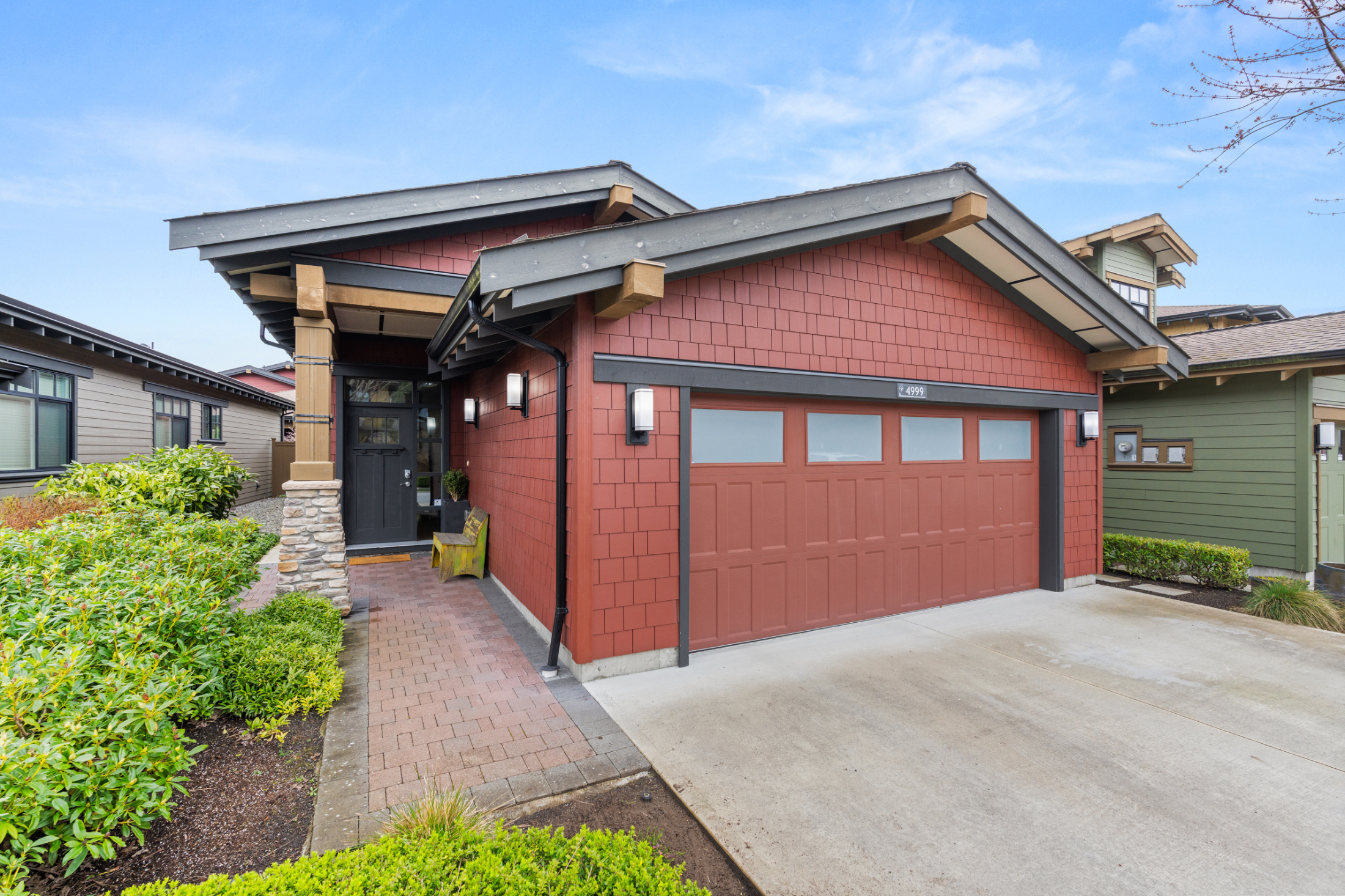
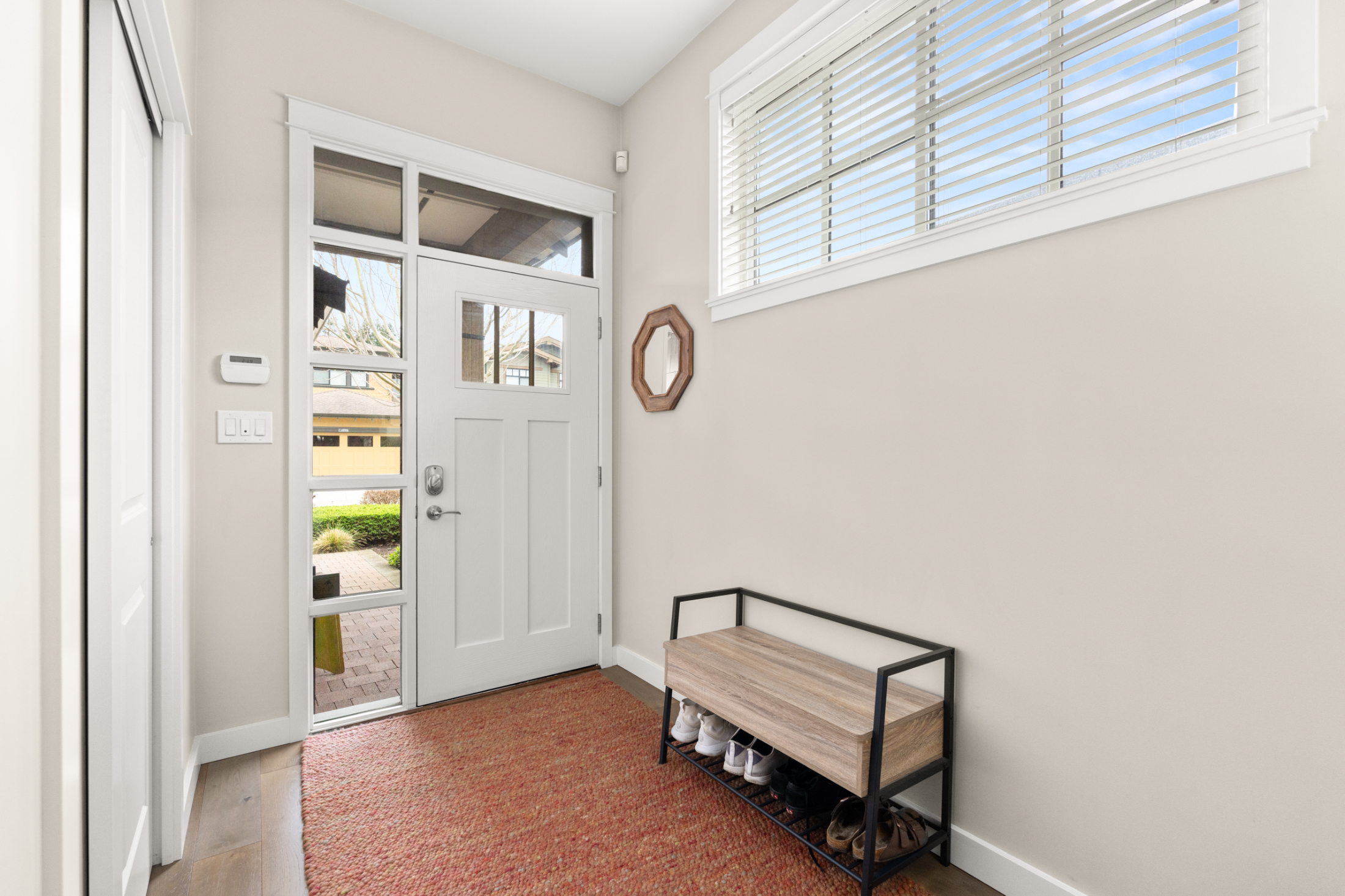
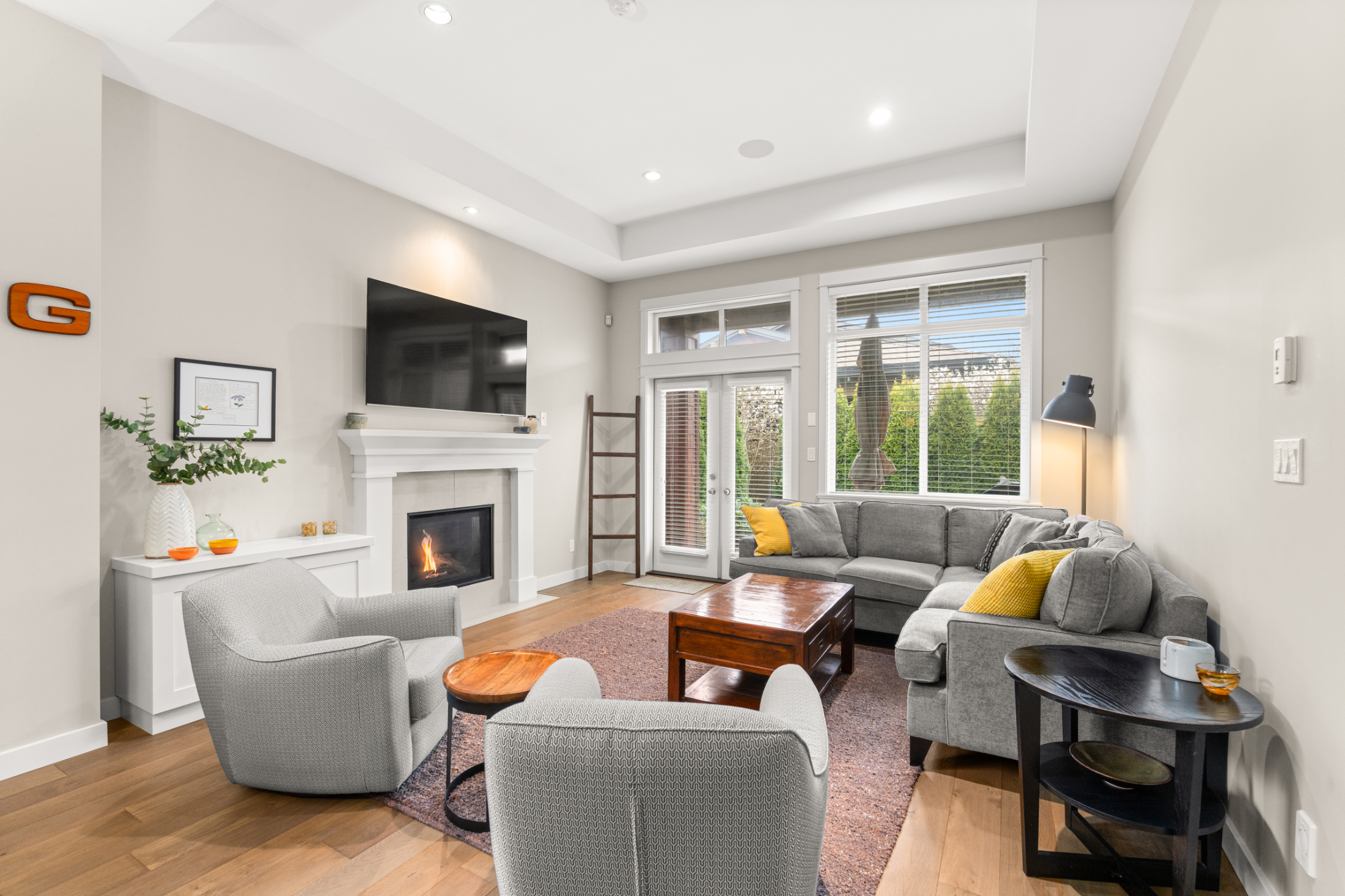
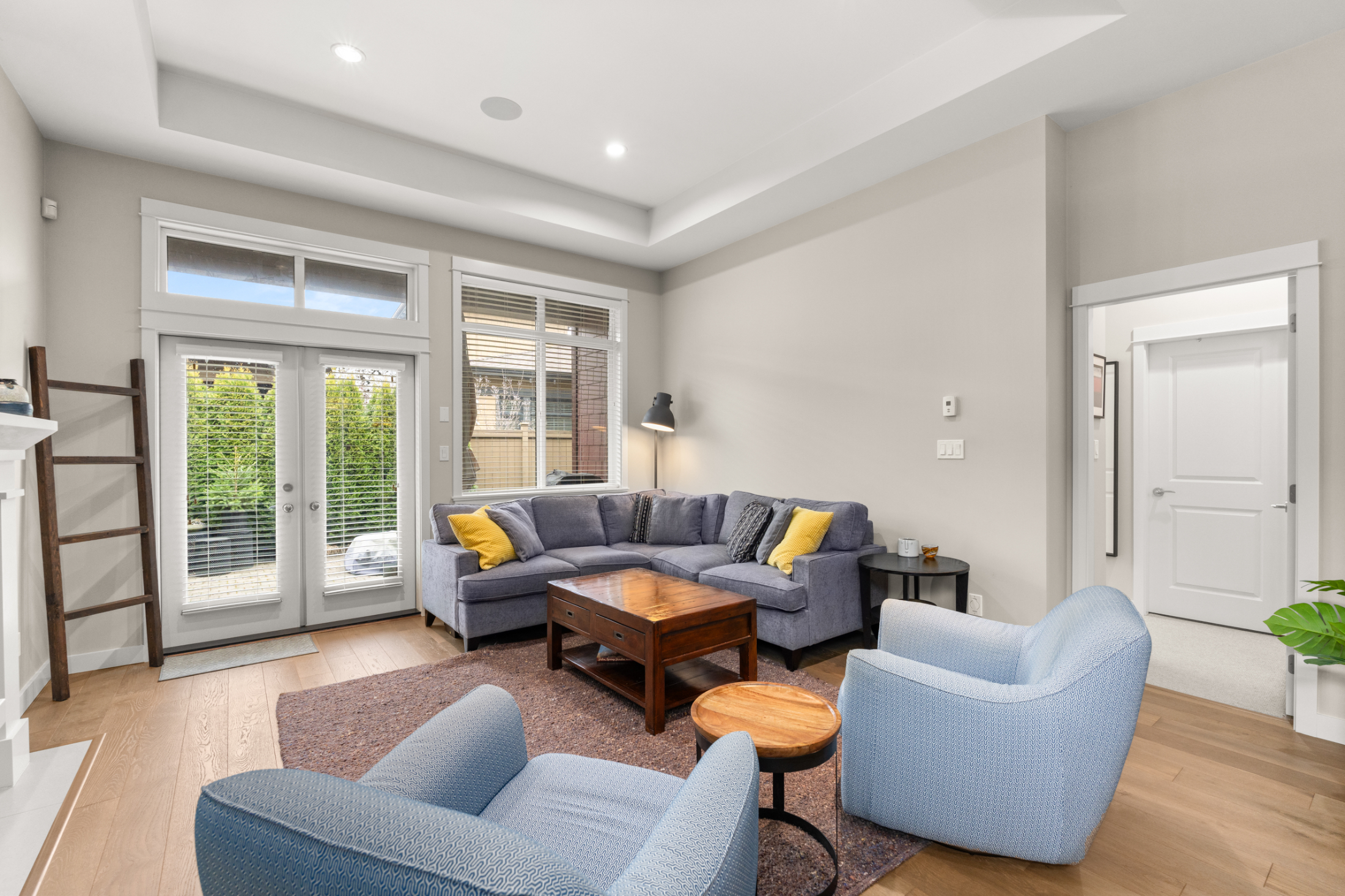
Come take a look at 4999 Cedar Springs Drive!

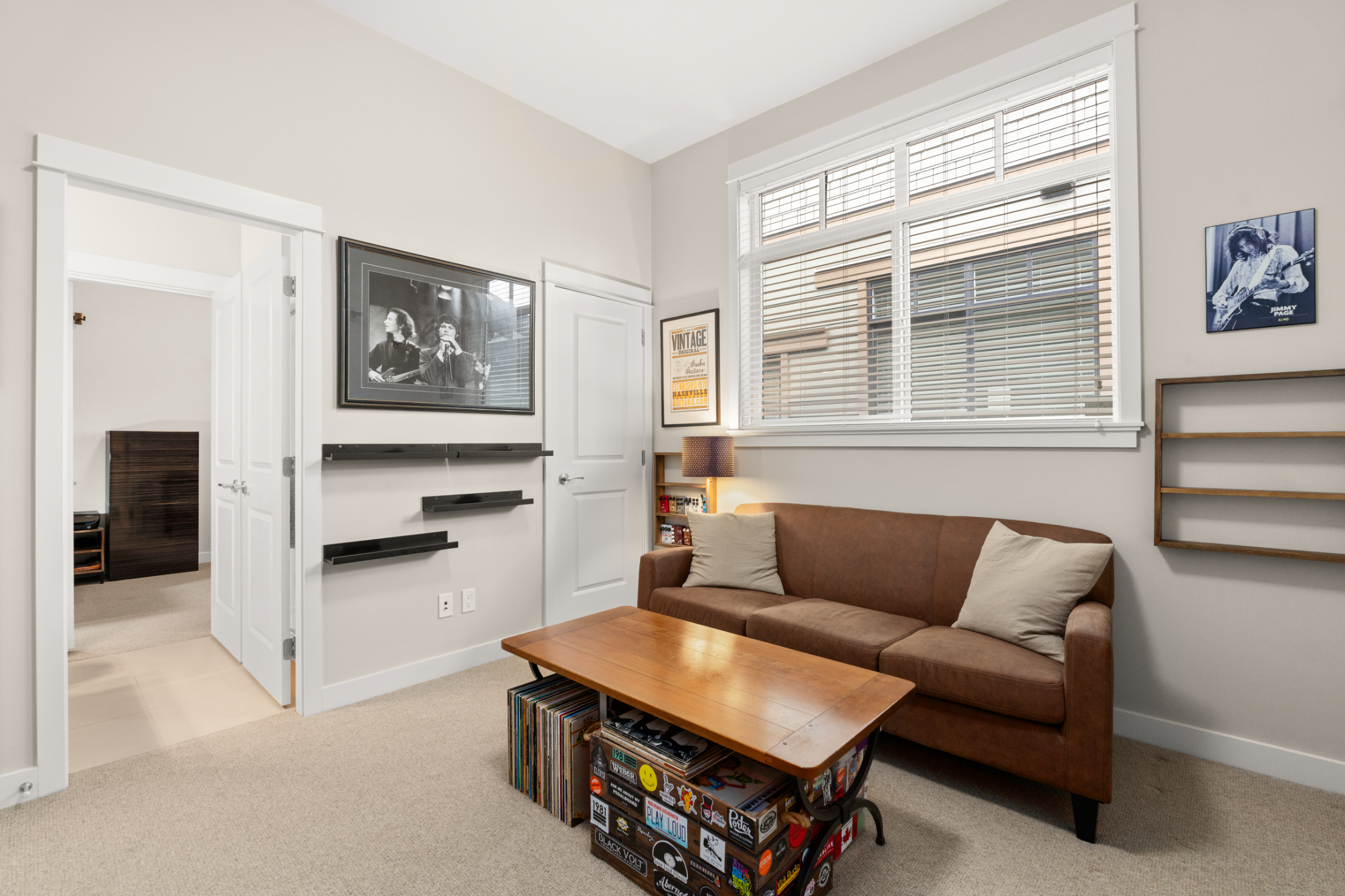
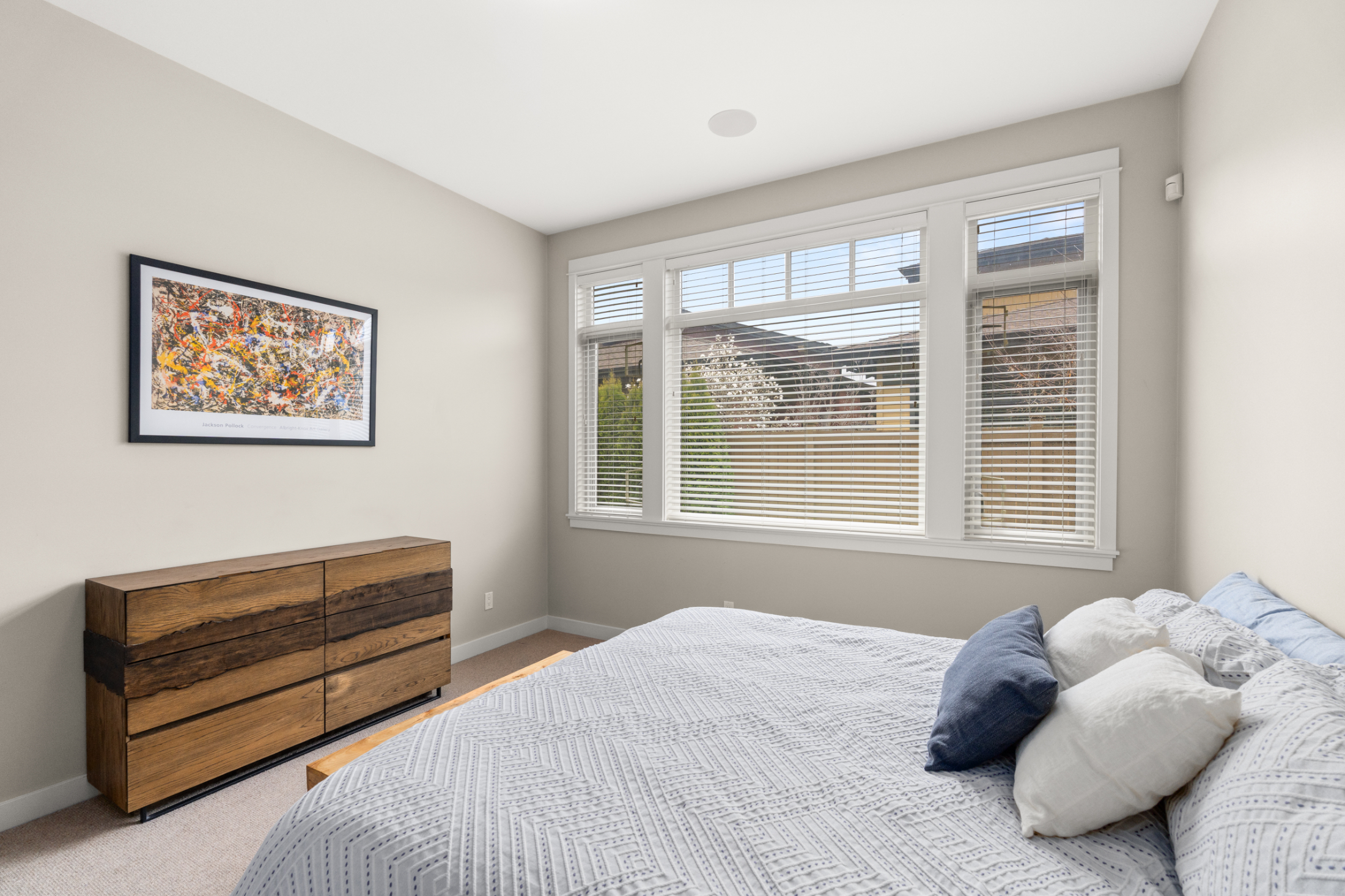
3 bedroom, 2.5 bathroom rancher at Tsawwassen Springs featuring a layout designed for comfort, functionality and modern living!  Come check it out today!

Read

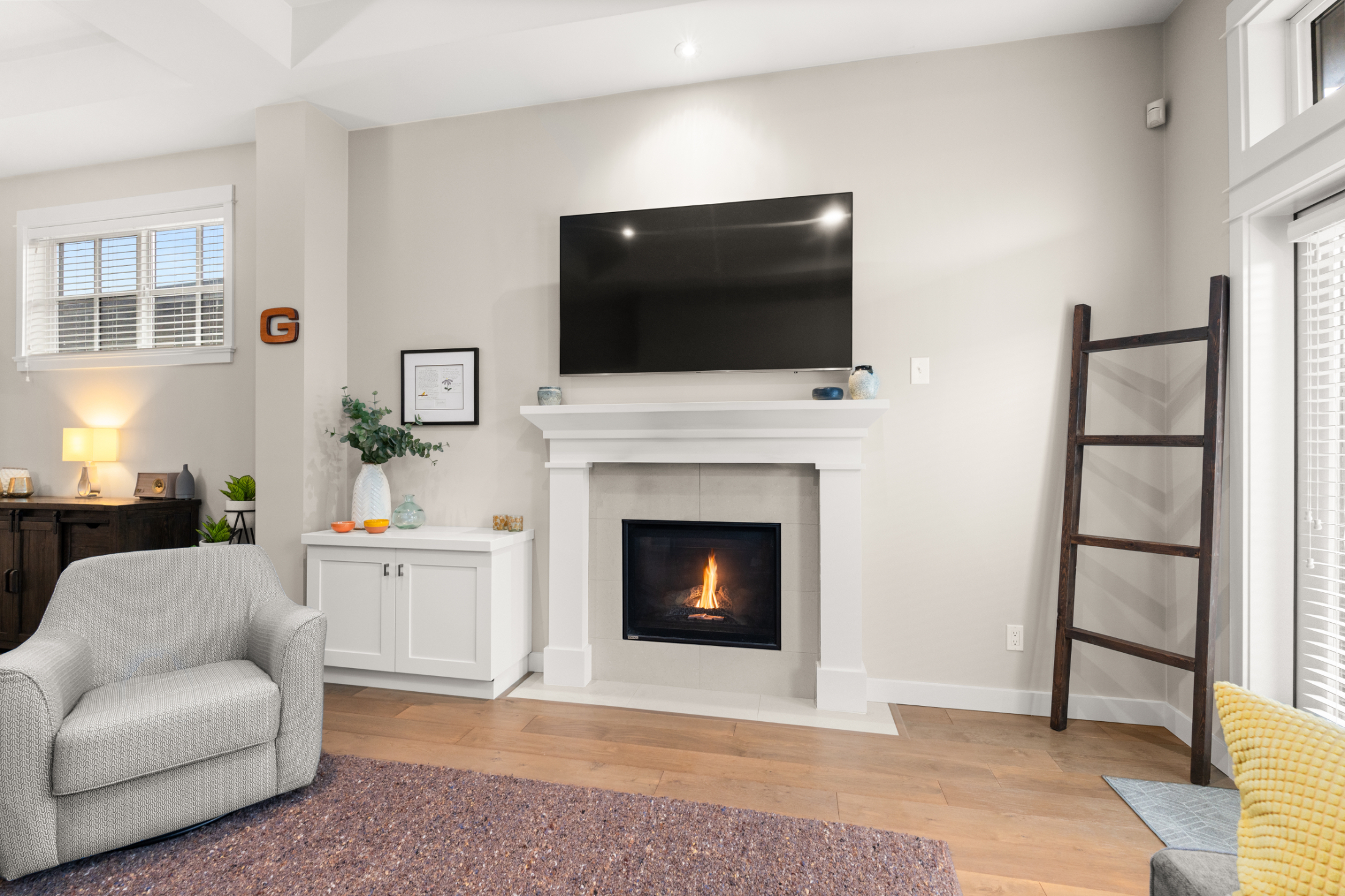
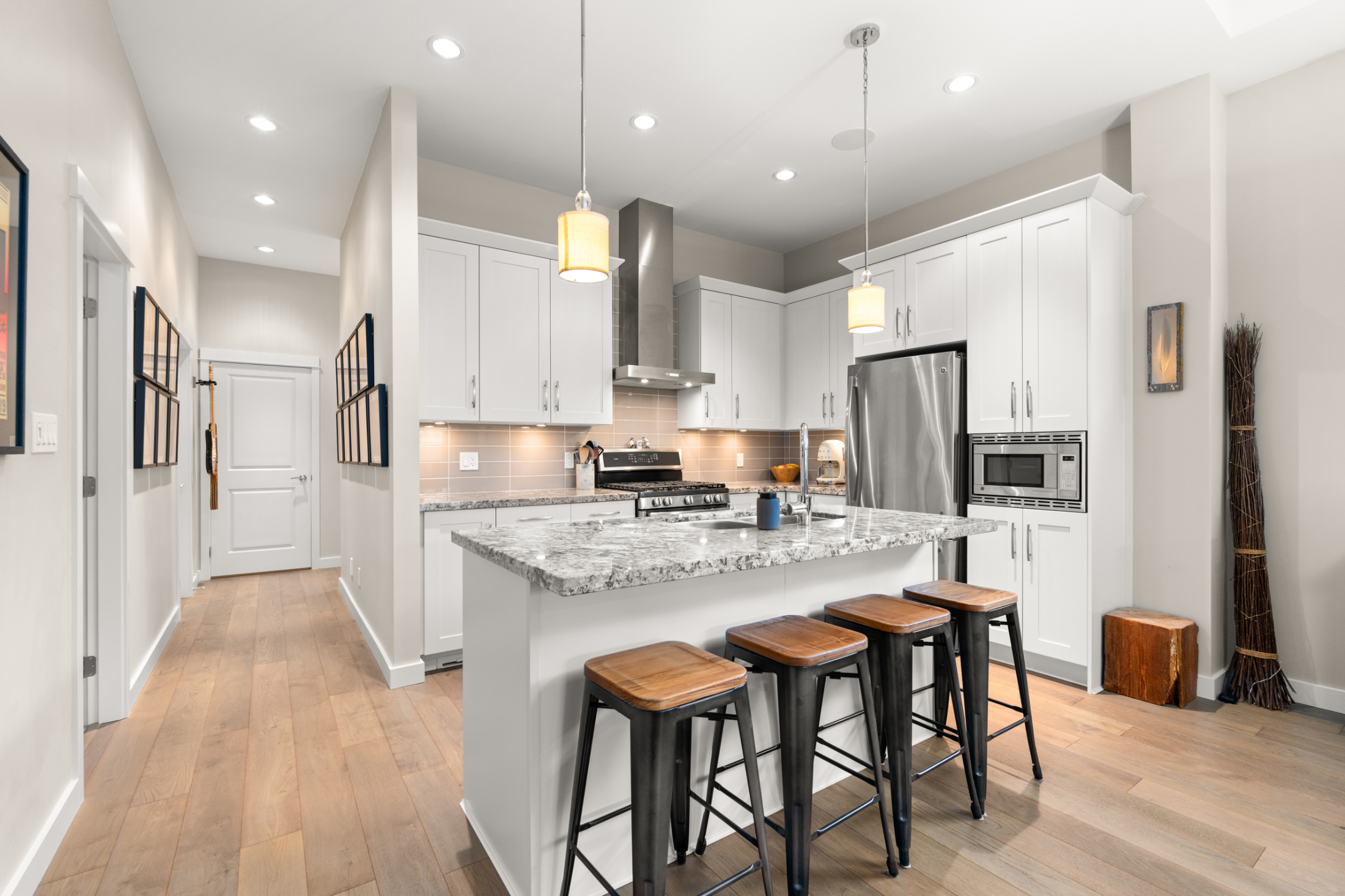
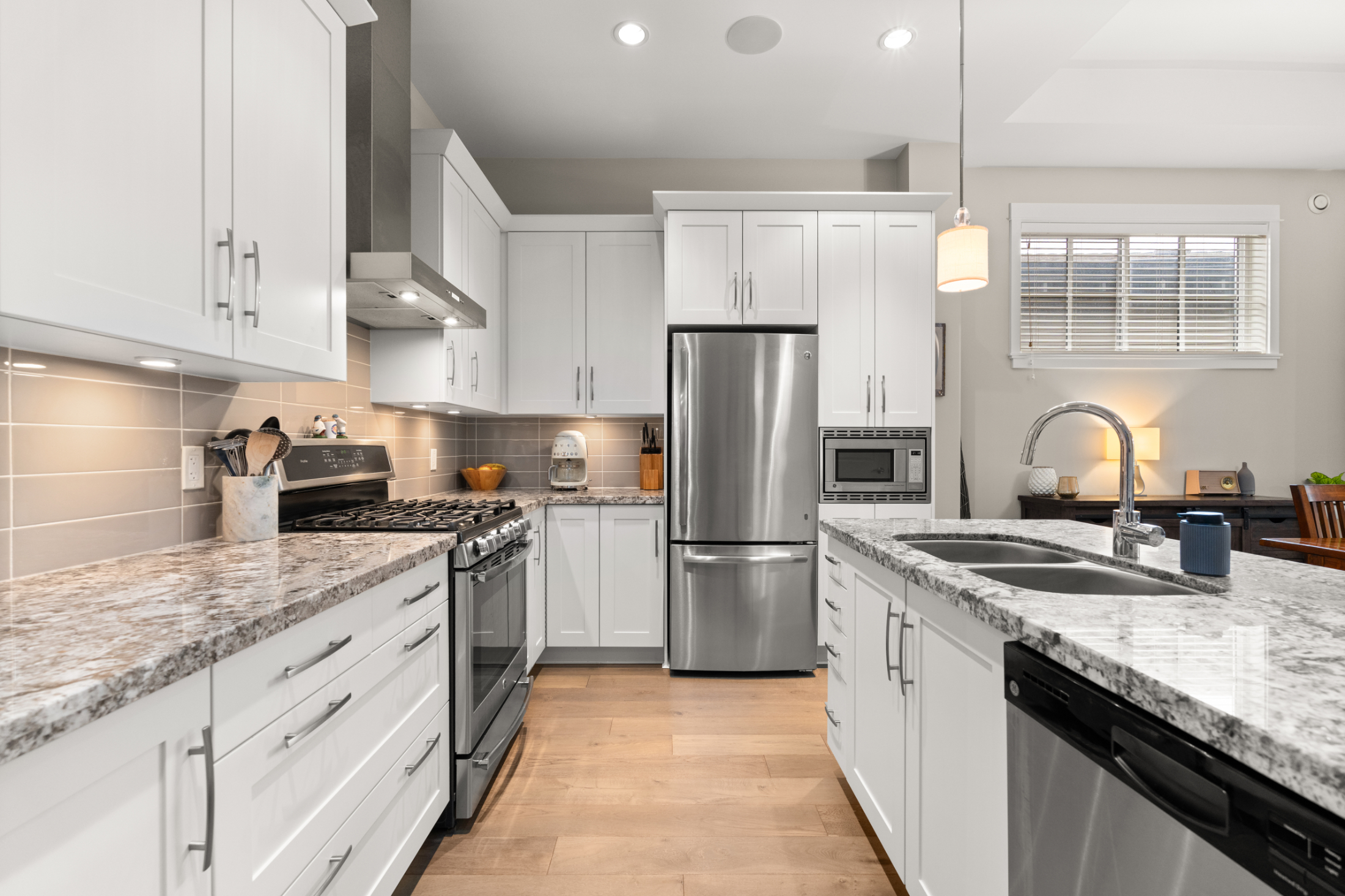
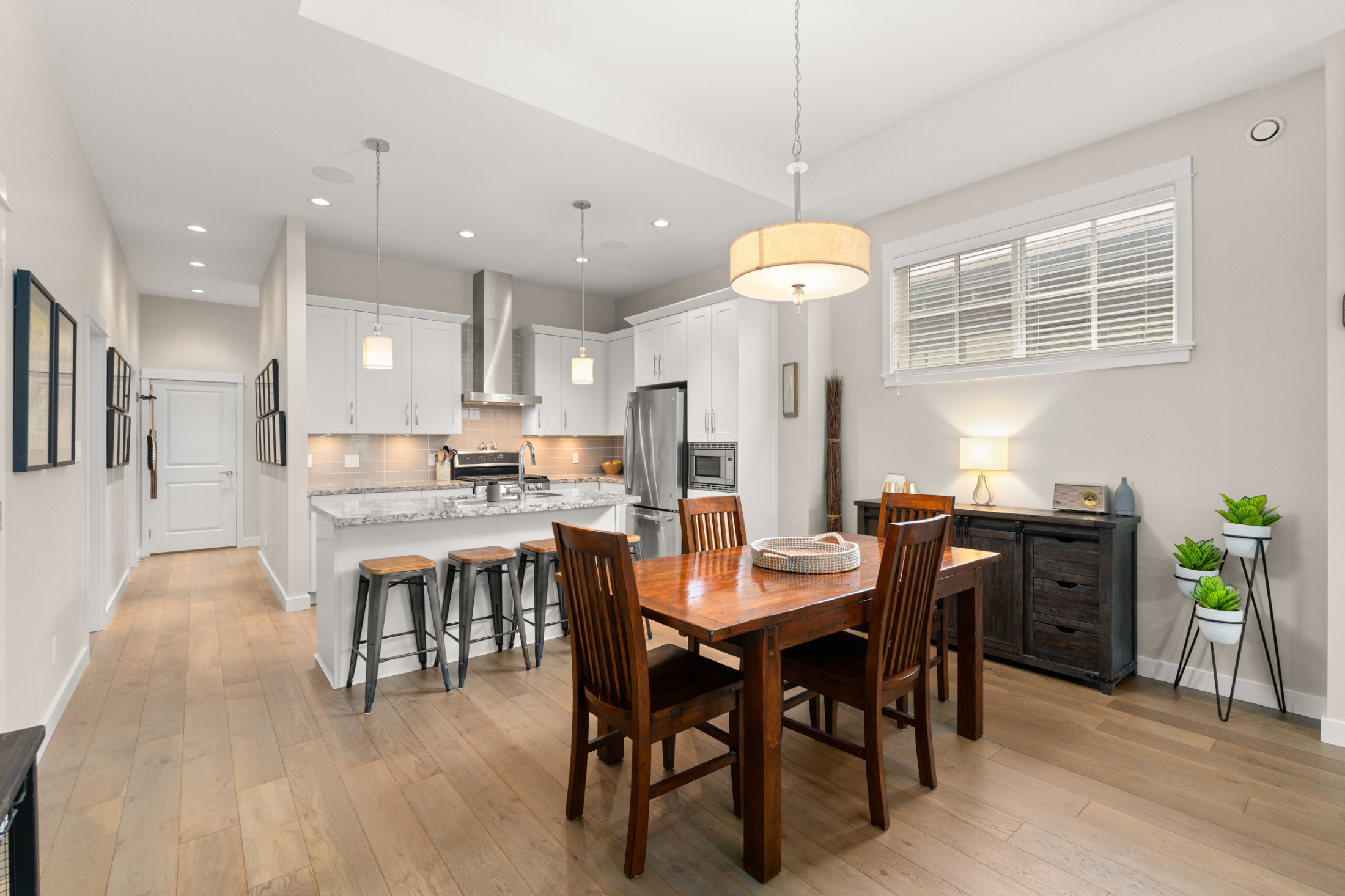
Coming Soon! 1500 sq. ft. Rancher at Tsawwassen Springs!

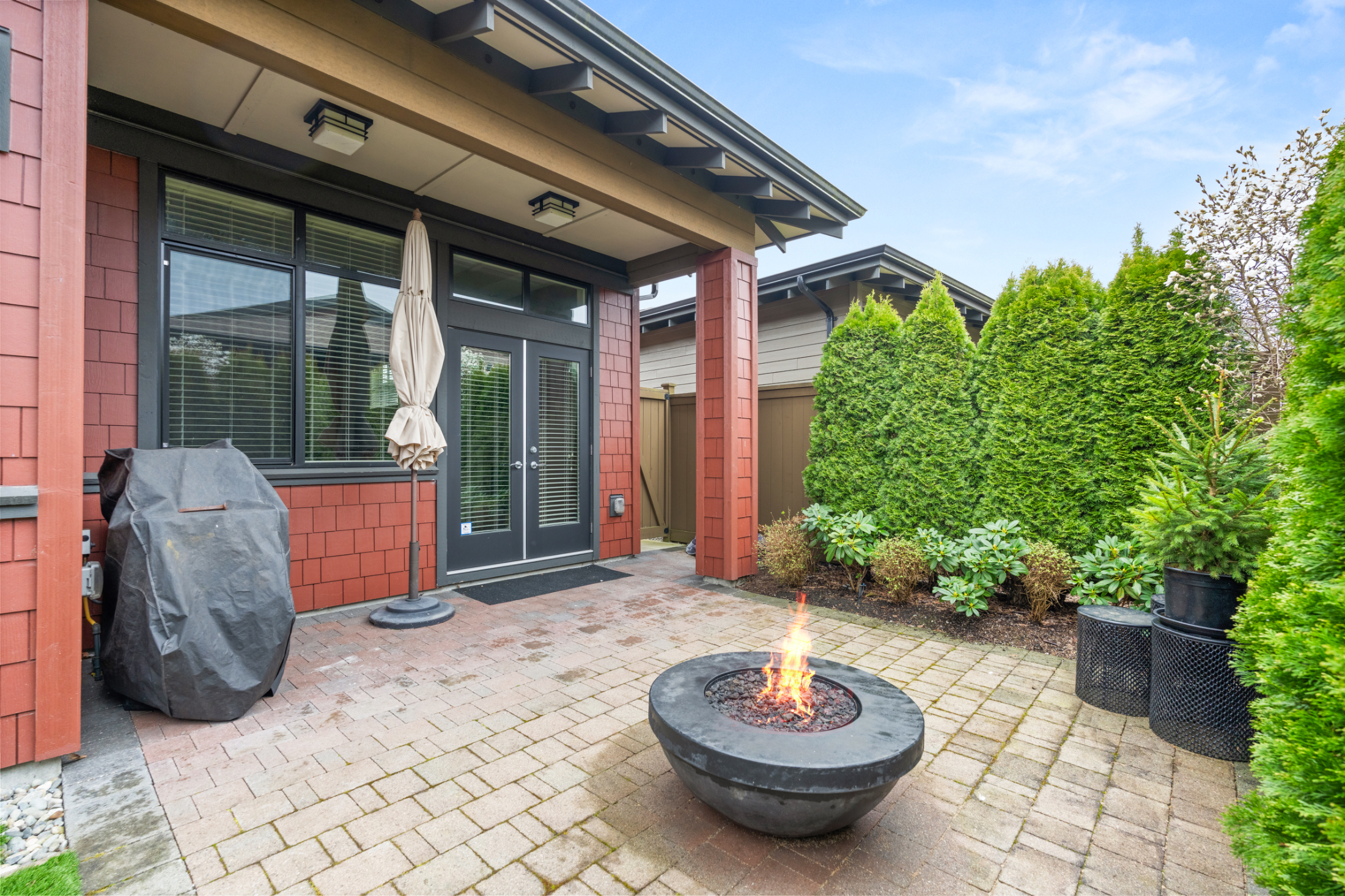
Welcome to resort-style living at its finest. This beautifully designed 1,500 sq. ft. home offers the perfect blend of comfort, functionality, and lifestyle, featuring 3 spacious bedrooms and 2.5 bathrooms in a highly sought-after community.

Step inside to an open-concept main floor filled with natural light, where the modern kitchen flows seamlessly into the dining and living areas—ideal for both everyday living and entertaining. Thoughtfully designed with quality finishes, ample storage, and a welcoming atmosphere, this home is move-in ready.

You’ll find three well-appointed bedrooms, including a generous primary suite complete with a private ensuite and plenty of closet space. Two additional bedrooms and a full bathroom provide flexibility for family, guests, or a home office.

Outside, enjoy your own private outdoor space—perfect for morning coffee or evening relaxation—while being surrounded by the beauty and amenities of a vibrant resort community. Whether it’s golf, walking trails, recreation, or nearby dining, everything you need is just moments from your door.

This is an incredible opportunity to own a stylish, low-maintenance home in a lifestyle-driven community—perfect for families, downsizers, or anyone looking to enjoy a relaxed, resort-inspired way of living.

Read

Bill C-4 Receives Royal Assent - First-time Home Buyers’ GST Rebate

Bill C-4, the Making Life More Affordable for Canadians Act, today received Royal Assent. This legislation brings key affordability measures into law, which will save Canadians hundreds of dollars each year. These measures include:

  • A middle-class tax cut: By lowering the first marginal personal income tax rate from 15 per cent to 14 per cent since July 1, 2025, nearly 22 million Canadians will benefit from tax relief of up to $420 per person, saving two-income families up to $840 this year. The bulk of tax relief will go to those with incomes in the two lowest tax brackets (i.e., those with taxable income under $117,045 in 2026), including nearly half to those in the first bracket ($58,523 and below in 2026). Canadians whose 2025 income was not subject to payroll deductions will realize this tax relief this spring, when they file their 2025 income tax return.

  • The first-time home buyers’ rebate: Canada’s new government is eliminating the Goods and Services Tax (GST) for first-time home buyers on new homes up to $1 million and reducing the GST for first-time home buyers on new homes between $1 million and $1.5 million. This tax cut will save Canadians up to $50,000—allowing more young people and families to enter the housing market and make the goal of home ownership a reality for more Canadians. The rebate will generally apply to agreements of purchase and sale entered into on or after March 20, 2025, and before 2031. With Royal Assent of the bill, the Canada Revenue Agency (CRA) will now be able to start processing rebate claims.

  • Permanently removing the federal consumer fuel charge from legislation: Canada’s new government cancelled the consumer fuel charge—directly allowing Canadians to save money from the price they pay at the pump. The government also removed the requirement for provinces and territories to have a consumer-facing carbon price as of April 1, 2025. These actions have reduced gasoline prices in most provinces and territories by up to 18¢/L in comparison to 2024-2025, lowering inflation. Bill C-4 will give Canadian consumers and businesses certainty that the consumer carbon price is being permanently removed by eliminating it from federal legislation.

Read more about the Making Life More Affordable for Canadians Act here:  https://www.canada.ca/en/department-finance/news/2026/03/legislation-to-make-life-more-affordable-receives-royal-assent.html

Read

Bank of Canada Interest Rate Announcement - March 18, 2026

The Bank of Canada maintained its overnight policy rate at 2.25% this morning.  In the statement accompanying the decision, the Bank noted that the war in the Middle East has increased volatility and heightened risks in the global economy but the Bank still expects the Canadian economy to grow modestly in 2026 though the labour market remains soft and growth looks to be weaker than expected in Q1. On inflation, the Bank expects the sharp increase in energy prices to push CPI inflation higher in coming months.

Absent a U.S. war with Iran and its knock‑on effects on oil prices and other downstream costs, there is a strong case for the Bank of Canada to be lowering its policy rate. Core inflation continues to decelerate, with three‑month measures falling again in February and now averaging just over 1%. Economic growth is likely to come in below the Bank’s somewhat optimistic Q1 forecast, and Canada just recorded its weakest month for employment growth since 2022. Instead, the Bank will need to assess the inflationary impulse from a potential supply shock and the risk of pass‑through to inflation expectations, which argues for some degree of caution. Most estimates suggest that an extended period of high oil prices could add 1% to inflation, potentially pushing growth in consumer prices back to over 3%. While it is possible that the Bank would look through a temporary shock to prices and react instead to a weakening economy, the situation is currently too uncertain for there to be any strong conviction in a policy direction.

Copyright British Columbia Real Estate Association. Reprinted with permission.

Read
Reciprocity Logo The data relating to real estate on this website comes in part from the MLS® Reciprocity program of either the Greater Vancouver REALTORS® (GVR), the Fraser Valley Real Estate Board (FVREB) or the Chilliwack and District Real Estate Board (CADREB). Real estate listings held by participating real estate firms are marked with the MLS® logo and detailed information about the listing includes the name of the listing agent. This representation is based in whole or part on data generated by either the GVR, the FVREB or the CADREB which assumes no responsibility for its accuracy. The materials contained on this page may not be reproduced without the express written consent of either the GVR, the FVREB or the CADREB.